Are you dreaming of working in the picturesque landscapes of Switzerland? Known for its high standard of living, excellent healthcare, and strong economy, Switzerland offers numerous job opportunities for foreigners. However, before you pack your bags, you’ll need to navigate the process of obtaining a work permit, which can be a bit complex for non-EU citizens. What type of work permit do you need? How do you qualify? And what steps should you take to increase your chances of success?
Whether you’re considering a temporary job, a long-term career, or a specialized role, there are a variety of visas and permits available. Do you need to secure a job offer first? Are there specific requirements based on your industry or skillset? How does Switzerland’s immigration system affect your eligibility? Understanding these details is essential for a smooth transition to working in Switzerland.
This page answers these questions by providing a step-by-step guide to help you obtain a Swiss work permit as a foreigner. From the different types of permits to the eligibility criteria and application process, we’ve got you covered. Keep reading to find out everything you need to know to make your Swiss work experience a reality.
Is It Hard To Get A Job In Switzerland As A Foreigner?
Finding a job in Switzerland as a foreigner can be challenging, but it’s not impossible. Switzerland has a strong and competitive job market, particularly in sectors such as finance, pharmaceuticals, engineering, and information technology. However, the level of difficulty largely depends on your skills, qualifications, and the demand for workers in your field. Here are a few factors to consider:
Visa and Work Permit Requirements:
To work in Switzerland, you need a valid work permit. Non-EU/EFTA citizens face stricter regulations and often need to have a job offer before applying for a permit. Employers in Switzerland typically prefer candidates who already have the right to work in the country, making it more difficult for foreigners to secure a job without sponsorship.
Skills and Qualifications:
Switzerland is known for its high skill requirements. If your expertise matches the country’s demand, particularly in specialized sectors, your chances improve. The Swiss government prioritizes workers with specific skill sets that are in short supply locally. If your qualifications align with these in-demand jobs, your chances of getting hired increase.
Language Skills:
While many Swiss companies operate in English, especially in international companies, proficiency in one of the country’s official languages (German, French, or Italian) can significantly boost your chances of landing a job. Some employers may require you to communicate effectively in these languages, particularly in customer-facing roles.
Networking and Local Experience:
Building a professional network in Switzerland can be invaluable. Many job openings are filled through referrals, and having local experience can make you a more attractive candidate. Participating in industry events, job fairs, or internships can also give you an edge over other foreign applicants.
How Many Years Does It Take To Get A Work Permit In Switzerland?
The time it takes to obtain a work permit in Switzerland depends on various factors, including your nationality, the type of work permit you’re applying for, and the specifics of your job and employer. Here’s a breakdown to help you understand the process:
EU/EFTA Citizens:
For citizens of the European Union (EU) or European Free Trade Association (EFTA) countries, the process is generally quicker. If you have a job offer, you can usually get your work permit within a few weeks to a couple of months. In some cases, you may not need a work permit at all if you’re planning to stay for less than 90 days. For stays longer than 90 days, you will need to apply for a residence permit, but the process is relatively fast for EU/EFTA nationals.
Non-EU/EFTA Citizens:
For non-EU/EFTA nationals, the process is more complex and can take longer. The employer must first prove that no Swiss or EU/EFTA citizen is available for the position, often requiring a labor market test. The process of obtaining a work permit for a non-EU/EFTA citizen can take anywhere from several weeks to several months. Depending on the type of work permit (short-term or long-term), the application process can extend further, and additional documentation may be required.
Permit Types:
- Short-Term Work Permits (L Permit): If you are applying for a short-term work permit (less than one year), the process typically takes around 2 to 3 months.
- Long-Term Work Permits (B Permit): For long-term permits, processing times can be longer, typically around 3 to 6 months, depending on the complexity of the application.
- Permanent Work Permits (C Permit): These are available after holding a B permit for several years, usually 5 to 10 years, depending on your nationality and residency status.
The overall timeline can vary, so it’s advisable to start the process early, especially for non-EU/EFTA citizens, to ensure you meet all the requirements and deadlines.
What Is The Maximum Age Limit For A Work Permit In Switzerland?
Switzerland does not have a strict, universal age limit for obtaining a work permit. However, the maximum age may vary depending on the type of permit you are applying for and other factors like the job offer, your qualifications, and the country of origin. Here’s a breakdown of the age-related criteria for different types of work permits:
For EU/EFTA Citizens:
EU/EFTA citizens generally do not face age limits when applying for a work permit in Switzerland. The primary requirements are having a job offer and meeting other conditions, such as proving your qualifications. The Swiss labor market is relatively open to skilled workers from the EU/EFTA, so age is typically not a barrier.
For Non-EU/EFTA Citizens:
For non-EU/EFTA nationals, there are additional considerations. While there is no formal maximum age limit for applying for a work permit, certain factors may affect your eligibility:
- Employer-Sponsored Permits (B Permit): These permits are typically available to individuals with a valid job offer from a Swiss employer. While age is not directly restricted, Swiss employers may prefer candidates who are younger and have a long-term career potential in the country.
- Skilled Worker Permits (L Permit): Short-term work permits may be harder to secure for older individuals due to competition and the preference for younger, long-term workers. However, if you have exceptional skills or experience that are in high demand, you may still be considered.
General Trends:
In practice, most work permits are issued to individuals between the ages of 18 and 50. While there are no official age limits, being above 50 years old may make it more challenging to secure a work permit, especially for non-EU/EFTA nationals, due to the competitive nature of the labor market.
That said, there are always exceptions. If you possess highly specialized skills, significant professional experience, or are filling a job in a sector with a shortage of qualified candidates, age may be less of an issue. Additionally, certain residency permits (like the C Permit) may become available to long-term residents of Switzerland, allowing them to continue working beyond typical age ranges.
How To Get An Switzerland Work Permit For Foreigners
Getting a work permit for Switzerland as a foreigner can be an exciting yet complex process. The country offers numerous job opportunities, especially for skilled workers. However, before you can start your career in Switzerland, you’ll need to meet specific criteria and follow the necessary steps. Here’s a simple guide to help you navigate the process:
1. Determine the Type of Work Permit You Need:
Switzerland offers different types of work permits based on your nationality, job type, and length of stay. The most common work permits are:
- Short-Term Work Permit (L Permit): For temporary employment (up to one year).
- Long-Term Work Permit (B Permit): For employment lasting more than one year.
- Permanent Work Permit (C Permit): This is for those who have lived in Switzerland for a long period and wish to settle permanently.
2. Ensure You Meet the Eligibility Requirements:
- For EU/EFTA Nationals: If you’re from an EU or EFTA country, obtaining a work permit is relatively straightforward. You’ll typically need a valid job offer from a Swiss employer, and you must prove that you meet the qualifications for the role.
- For Non-EU/EFTA Nationals: It’s more challenging, as Switzerland prioritizes EU/EFTA nationals for job openings. If you’re a non-EU/EFTA citizen, you’ll need to demonstrate that you have specialized skills or qualifications that cannot be easily found within the Swiss labor market. Employers also need to prove that no suitable candidates from Switzerland or the EU were available for the role.
3. Secure a Job Offer:
- For most work permits, a valid job offer from a Swiss employer is required. Your employer will usually submit an application on your behalf, providing evidence of your qualifications and the need for your specific skills in Switzerland. In some cases, the employer may need to obtain a Labor Market Test (LMT) to prove that the job cannot be filled by a local worker.
4. Submit the Application:
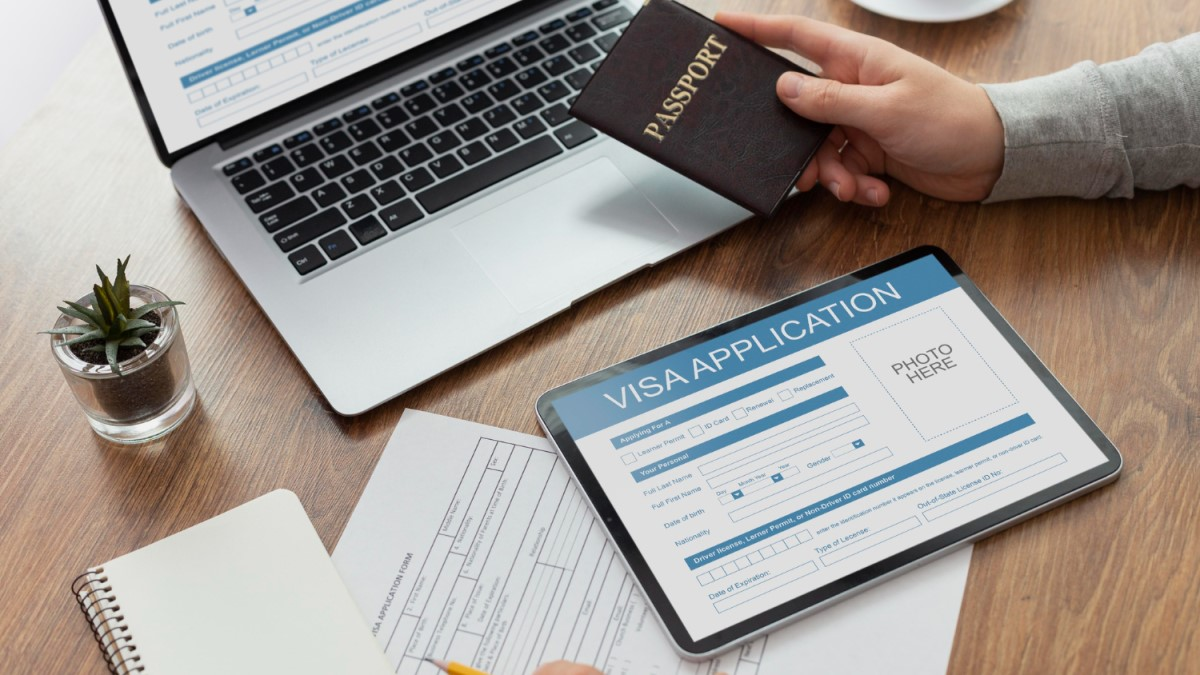
Once you have a job offer, you or your employer will need to submit your work permit application to the cantonal migration office. The application will require several documents, including:
- A copy of your passport or ID.
- A valid job offer letter.
- Proof of qualifications and work experience.
- A completed application form.
- Depending on your nationality, a valid residence permit may also be required.
5. Wait for Approval:
The processing time for a work permit in Switzerland can vary. For EU/EFTA nationals, the process is quicker, with decisions often made within a few weeks. For non-EU/EFTA nationals, the process may take several months due to the additional steps involved, such as the labor market test and verification of your qualifications.
6. Receive Your Work Permit:
If your application is approved, you’ll receive your work permit, which allows you to live and work in Switzerland legally. Make sure you understand the conditions attached to your permit, such as the duration and any restrictions on changing employers or job roles.
7. Plan Your Move to Switzerland:
Once you’ve obtained your work permit, you can plan your relocation. Consider securing accommodation, arranging health insurance, and familiarizing yourself with local customs and regulations to make your transition to living and working in Switzerland as smooth as possible.
Additional Tips:
- Language Skills: Depending on the region of Switzerland you’ll be working in, knowledge of a local language (German, French, or Italian) can greatly improve your chances of securing a job and integrating into the community.
- Work Permit Extensions: If you are on a temporary work permit (L or B), you may be able to extend your permit or apply for a permanent one (C) if you meet the eligibility criteria.
With the right qualifications and preparation, securing a Swiss work permit is an achievable goal. Following the steps above and ensuring you meet all requirements will give you the best chance of success in obtaining a work permit for Switzerland.
Frequently Asked Questions About How To Get A Switzerland Work Permit
Can my family accompany me to Switzerland?
Yes, your spouse and dependent children can join you in Switzerland. They will need to apply for a family reunification visa, and their eligibility depends on your permit type and income level. As the primary visa holder, you must meet specific income and accommodation criteria to sponsor your family.
Is there an age limit for obtaining a work permit in Switzerland?
Generally, there is no fixed age limit for work permits in Switzerland. However, some permits, especially for non-EU/EFTA nationals, may have age preferences or limitations for certain occupations. Most permits, such as the B Permit, are usually granted to applicants under 45 years old, but exceptions exist.
What if my work permit application is denied?
If your work permit application is rejected, you will receive a notice detailing the reasons for the refusal. You may be able to appeal the decision or apply for a different type of permit if you meet other criteria. Consulting with an immigration lawyer or expert can also help clarify the next steps.
Can I change employers with my work permit in Switzerland?
If you hold a B Permit or L Permit, changing employers may be possible, but it usually requires approval from the cantonal migration authorities. If you’re on an employer-sponsored visa, such as the L or B permits, you may need to reapply for a new work permit when switching jobs.
Do I need to speak Swiss languages to work in Switzerland?
While many jobs in Switzerland require knowledge of one of the country’s official languages (German, French, Italian, or Romansh), it depends on the region you are working in and the nature of the job. However, proficiency in English can be an advantage, especially for international companies or in tech-related fields.
Can I apply for permanent residency after my work permit expires?
Yes, if you have held a B Permit for several years (usually 5 to 10 years), you may be eligible to apply for a C Permit, which grants permanent residency. Your eligibility will depend on factors such as your employment history, language skills, and integration into Swiss society.